
To get your full bond back in NSW, hand the property back as close as you can to the condition recorded on your ingoing condition report, allowing for fair wear and tear, and keep the evidence that proves you did. That means paying rent to the last day, cleaning to that standard, fixing any damage you caused, and holding onto photos, receipts and written reports. If the agent still wants money, they have to back the claim with evidence, and you can challenge it at the NSW Civil and Administrative Tribunal (NCAT).
The good news first. The Tenants’ Union of NSW says most bonds are returned to tenants in full. The ones that aren’t tend to come down to the same few arguments, and they’re usually settled by paperwork rather than elbow grease.
What the agent is actually comparing
The agent isn’t checking whether the place is spotless. They’re holding it up against the ingoing condition report and the photos from the start of your lease. You’re expected to leave it as near as possible to that condition, with fair wear and tear excepted. Faded paint, worn walkways in the carpet and a loose door handle are wear. Burns, stains, holes and broken glass are damage.
So a grubby oven you inherited is a weak claim against you, and a carpet stain that was written on the report when you moved in isn’t yours to fix. Find your copy before you start cleaning. If you can’t, ask the agent for it in writing.
Where bond money usually goes
When part of a bond is claimed, it’s usually for one of these.
- Cleaning the agent says wasn’t done to standard, most often the oven, rangehood, shower screens and window tracks.
- Carpet stains, pet odour, or a professional clean the lease required and didn’t happen.
- Walls marked by hooks, tape or Blu-Tack, or scuffs that won’t wash off.
- Unpaid rent or water usage owing at the end of the tenancy.
- Keys, remotes and swipe cards that weren’t returned, plus the cost of changing locks.
- Lawns and gardens left in worse shape than the lease requires.
Every one of these is cheaper to deal with before the final inspection than to argue about afterwards. A thorough room-by-room clean covers most of the list, and if you’d rather hand it over, our end of lease cleaning does the inside, the carpets and the outdoor areas in one booking.
Get the carpet right before inspection day
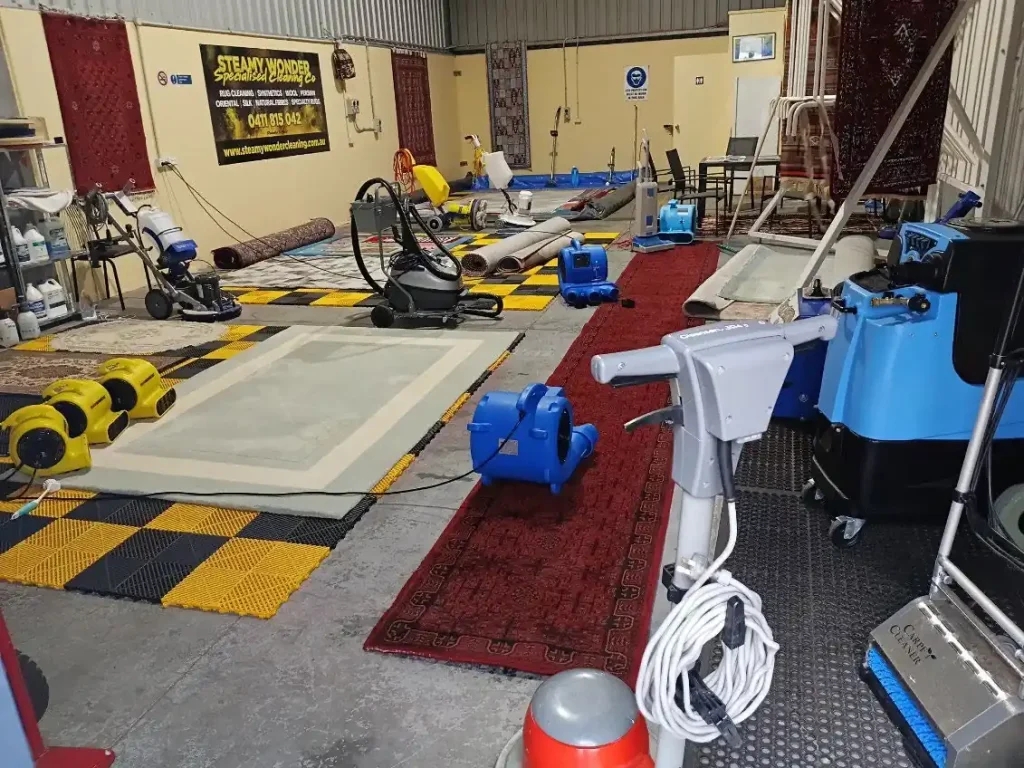
Carpet is easy to judge at a glance, which makes it easy to argue about. NSW Fair Trading counts traffic marks and furniture dents as fair wear and tear, and stains and burns as damage. Pet odour is harder to wave away, particularly if you had a pet clause in the lease.
Whether you have to pay for professional carpet cleaning depends on that clause. In NSW, a lease term requiring professional carpet cleaning at the end of a tenancy only applies if you were allowed to keep a pet inside and the cleaning is reasonable for that pet. Without it, the carpet needs to be clean, however you get there.
If you do book a professional clean, two things make it count.
- Timing. Steam-cleaned carpet usually takes 6 to 12 hours to dry, longer on humid days, so book it for the day before the inspection rather than the morning of.
- Pet patches. Point them out when you book. Urine that has reached the underlay needs treating at the source, otherwise the smell can rise again as the carpet dries. Our guide to getting dog urine out of carpet explains why.
Build an evidence file before you hand back the keys
If a claim turns up a fortnight later, this folder is your case. Put it together before you return the keys.
- Photos and video of every room, taken after the clean and from the same angles as your ingoing photos where you can, with date stamps turned on.
- Your copy of the ingoing condition report, including any notes you added when you moved in.
- Receipts and invoices for professional cleaning, pest treatment or repairs.
- A written report from your carpet cleaner if any marks didn’t fully lift.
- Emails and texts with the agent, especially anything about repairs you reported during the tenancy.
That carpet report is worth asking for. A short note recording the date, the rooms cleaned, the method used and any marks that couldn’t be removed, with the reason (permanent dye loss, say, or a mark already listed on the ingoing report), turns “the carpet’s still stained” into a documented answer. We’ve provided a written report like this for a tenant to give their real estate agent, so ask us about one when you book.
How a bond claim works in NSW
Your bond sits with NSW Fair Trading, not with the agent, and either side can start the claim through Rental Bonds Online.
If you lodge the claim and the agent agrees, they have up to 14 days to accept it, and the money usually lands about two business days after that. If the agent lodges a claim for some or all of the bond, you’ll be notified. According to the Tenants’ Union of NSW bond factsheet, from that point:
- the agent has to give you copies of quotes, invoices or receipts for whatever they’re claiming within 7 days of making the claim
- you have 14 days to apply to NCAT if you disagree, and if you do nothing, the bond is paid out with the claimed amount going to the landlord
- even after those 14 days, you have up to six months to apply to NCAT to challenge the claim.
One rule to hold onto: never sign a blank bond claim form, or one listing deductions you don’t agree with.
If the agent claims money for cleaning
Don’t panic, and don’t pay straight away. Work through it in order.
- Ask for the evidence. Quotes, invoices and photos of whatever they say wasn’t clean.
- Line it up against yours. Compare their photos with your exit photos and the ingoing report. A mark that was already recorded isn’t yours.
- Reply in writing. List what you accept and what you don’t, attach your evidence, and keep it short and factual.
- Apply to NCAT if it isn’t resolved. Tenancy matters at the NSW Civil and Administrative Tribunal are listed for conciliation first, so there’s a chance to settle before a hearing. Bring your tenancy agreement, bond number, photos, receipts and any written reports. Concession card holders pay a reduced fee.
The Tenants’ Union and your local Tenants’ Advice and Advocacy Service can help before you file, and NSW Fair Trading is on 13 32 20. This is general information about NSW tenancy rules, not legal advice.
Your last two weeks, step by step
Most of what protects your bond happens in the fortnight before you leave. Here’s how to space it out.
- Two weeks out. Find the ingoing condition report and check the lease for a pet or carpet cleaning clause. Book any professional cleaning for the day before the inspection, and make sure rent is paid up to the final day.
- One week out. Patch or repair anything you damaged. Mow, weed and clear the yard. Put back anything that belongs to the property.
- Two or three days out. Clean from the top down, kitchen and bathrooms first, leaving floors until last.
- The day before. Carpets cleaned and drying with the windows open. Once everything is dry, take your exit photos.
- Inspection day. Be there if you can, walk through with the condition report in hand, return every key and remote, then lodge your bond claim through Rental Bonds Online.
If the carpets are the job on that list you’d rather not tackle, our team can fit a carpet cleaning for the day before your inspection, and if a mark won’t come out, we’ll tell you on the spot so you can decide how to raise it with the agent.